Halaney: A Handwritten Font for Editorial Elegance
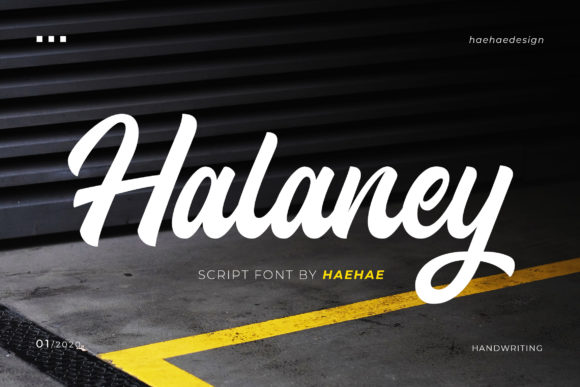
As I sat down to redesign the header of my lifestyle blog, I knew I needed a font that would capture the essence of personal connection and creativity. Halaney, a beautiful handwritten font, immediately caught my eye. Its fluid, elegant lines and natural rhythm make it an excellent choice for adding a touch of sophistication to any design project.
Crafting a Welcoming Blog Header
For my blog, the header is the first thing visitors see, so it needs to be inviting and memorable. Halaney's handwritten style brings a warm, personal feel to the design. The font's flowing curves and subtle variations in line thickness create a welcoming and approachable look, perfect for a lifestyle blog that aims to connect with its readers on a personal level.
Editorial Appeal and Visual Hierarchy
Halaney's visual character is both elegant and dynamic, making it ideal for creating a strong visual hierarchy. When used for article titles or section headings, it draws the reader's attention without overwhelming the content. This balance is crucial for maintaining readability and ensuring that the text remains the focus of the page.
In a digital magazine layout, Halaney can be used for cover text, chapter openers, and pull quotes. Its expressive nature adds a creative flair, enhancing the overall aesthetic of the publication. For example, in a wedding guide, the font can be used for the main title and section headers, providing a romantic and personalized touch that resonates with the target audience.
Readability and Practical Considerations
While Halaney is a beautiful and versatile font, it is best suited for titles, subtitles, and decorative accents. Its expressive and flowing style may not be ideal for body copy or long-form content, where readability and legibility are paramount. For these sections, pairing Halaney with a clean sans serif or a readable serif font can create a balanced and harmonious design.
When using Halaney in a recipe ebook, for instance, the font can be used for the main title and section headers, while a more legible font like Lato or Georgia can be used for the ingredients and instructions. This combination ensures that the content is both visually appealing and easy to read, even on smaller screens or in PDF exports.
Font Pairing and Design Consistency
One of the keys to successful editorial design is choosing fonts that complement each other and support the overall brand identity. Halaney, with its handwritten charm, pairs well with a variety of typefaces. For a modern and clean look, you can pair it with a sans serif font like Roboto or Montserrat. For a more classic and refined feel, a serif font like Merriweather or Garamond can be a great choice.
Consistency is also important. Using Halaney across different elements, such as the blog header, newsletter graphics, and social media posts, helps to establish a cohesive and recognizable brand identity. This consistency makes your content more memorable and professional, enhancing the overall user experience.
Practical Tips for Using Halaney
Before incorporating Halaney into your design projects, it's essential to check the included styles, alternates, and ligatures. These features can add unique and personalized touches to your designs, making them stand out. Additionally, ensure that the font supports the languages and characters you need, especially if you have a global audience.
It's also important to verify the commercial licensing terms, especially if you plan to use the font in ebooks, templates, printables, or client publications. This step ensures that you are using the font legally and ethically, protecting both your work and the rights of the font designer.
In conclusion, Halaney is a premium font that offers a perfect blend of elegance and personality. Whether you're designing a lifestyle blog, a wedding guide, or a coaching workbook, Halaney can elevate your content and create a lasting impression. With thoughtful consideration of its strengths and practical applications, this font can become a valuable asset in your design toolkit.